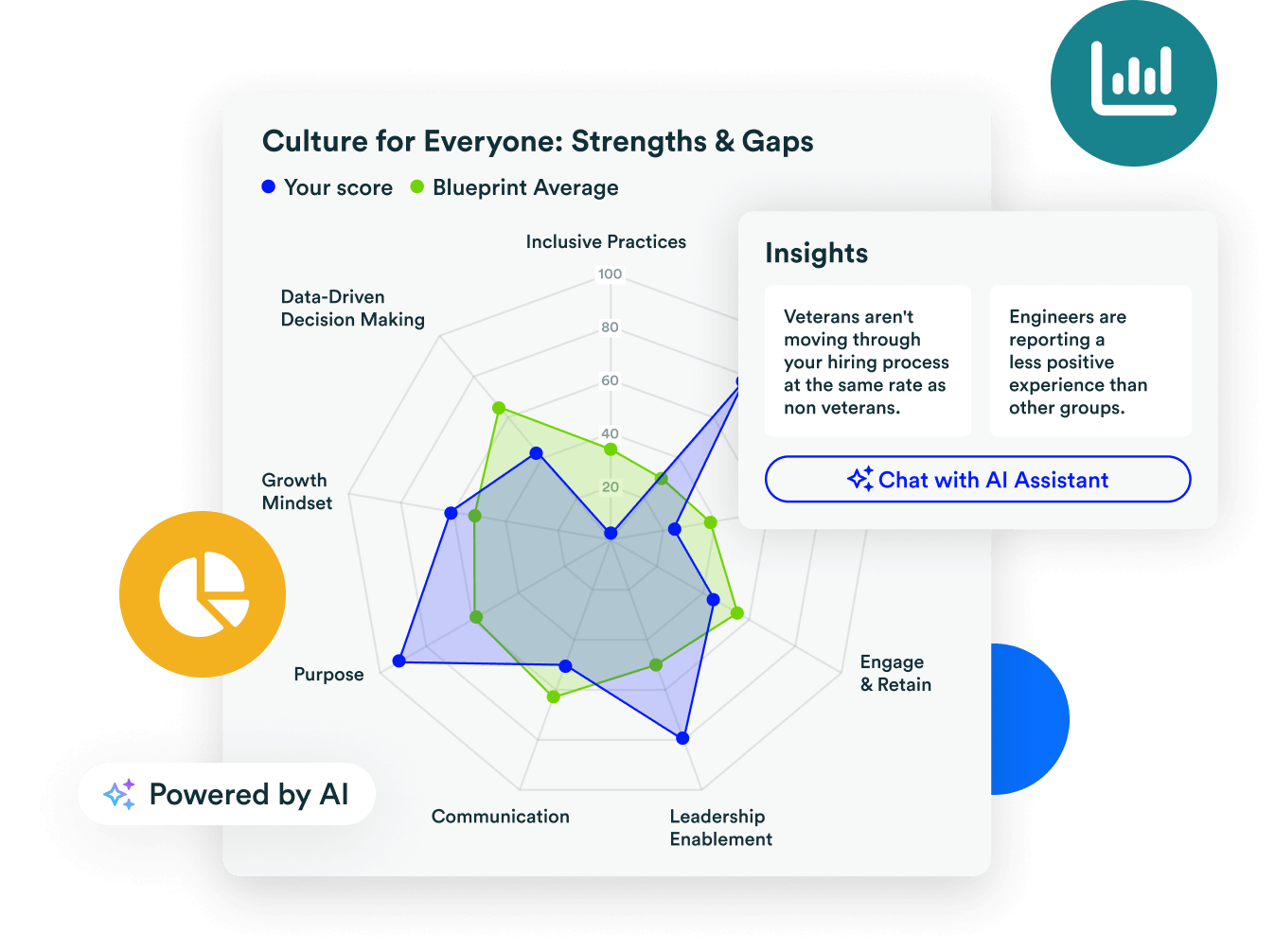
Paradigm’s Talent & Culture Agent is purpose-built for your work—grounded in your context, trained by experts, and ready to execute your most time-intensive workflows.
THE PARADIGM DIFFERENCE
Trained on talent and culture expertise, not scraped web data.
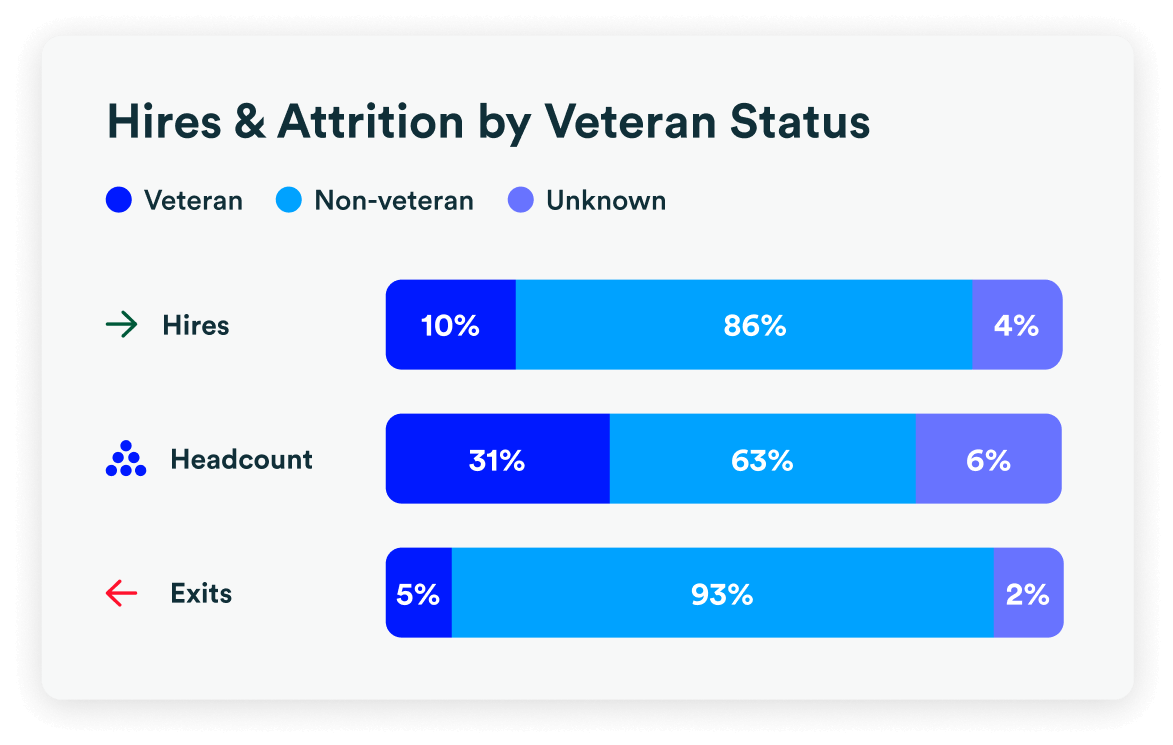
Integrated with your talent and culture data
Every output is informed by industry standards and best practices
Delivers finished work products with AI workfows
Generic models like Claud or ChatGPT don't understand talent strategy. Paradigm's AI is trained by behavioral scientists and talent experts who've worked with 2,000+ companies. It knows the nuances of people data, recognizes retention signals, flags hotspots, and recommends actions that generic AI misses.
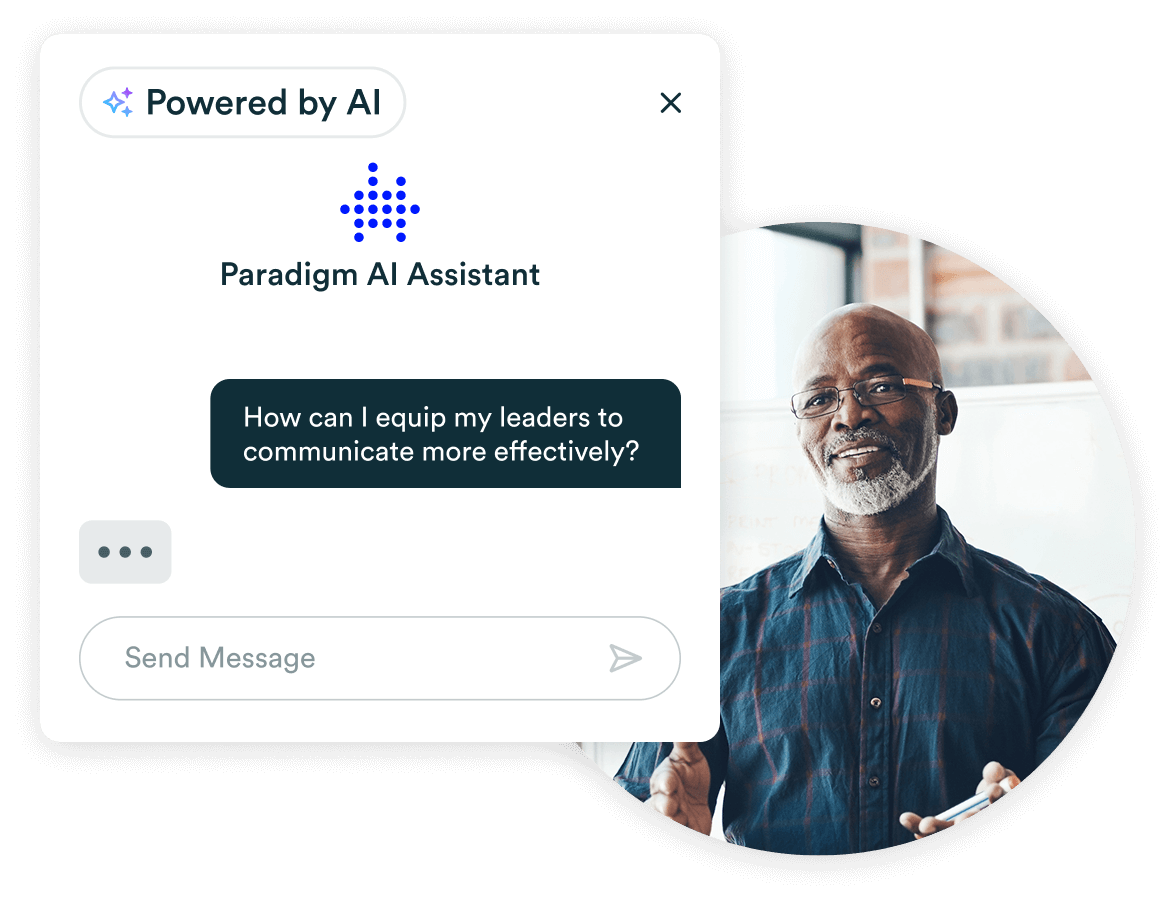
The Talent & Culture Agent moves you from question to finished deliverable. Draft competitive policies in minutes, generate board-ready narratives, build workforce plans, create rollout communications—all grounded in your data, peer benchmarks, and expert recommendations.
Paradigm’s AI knows your organization—your policies, survey data, HRIS information, and culture initiatives. Every output is tailored to your reality and maturity, not generic templates that require hours of editing to make relevant.
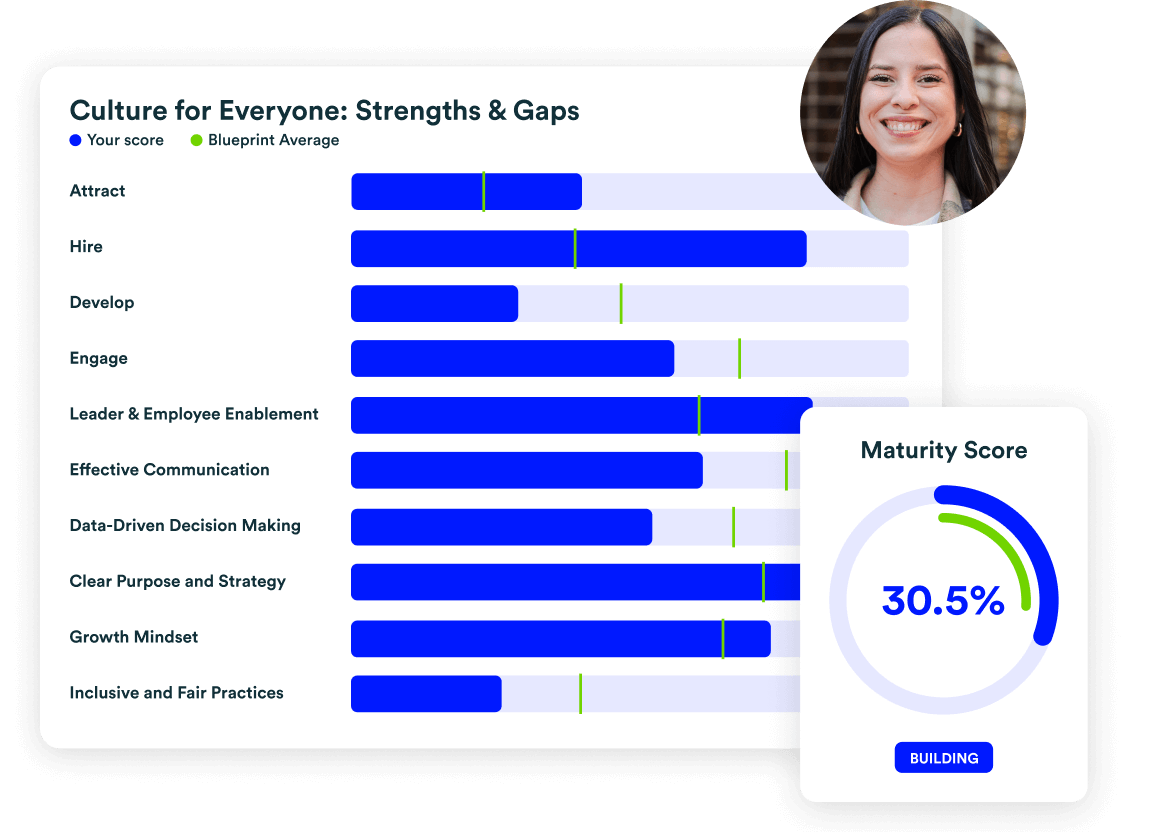
Every recommendation the agent makes is informed by Paradigm's proprietary peer benchmarks. See how your policies compare, what drives gaps, and what industry leaders are doing—so you can act with confidence, not hunches.
Paradigm's Talent & Culture Agent doesn't just speed up your work—it transforms how your team operates. By handling time-intensive workflows, your team can focus on the strategic initiatives that drive real business impact.
Increase in managers’ understanding of how to use strategies to foster healthy cultures
Of leaders would recommend Paradigm training to a colleague
Increase in managers’ understanding of effective performance management strategies
CASE STUDY
When employees feel like they belong, they're more motivated, innovative, and happy with their jobs. Learn how to unlock the potential of belonging using insights gleaned from hundreds of thousands of employees